How do insurance companies decide a car is totaled, and what is it worth?
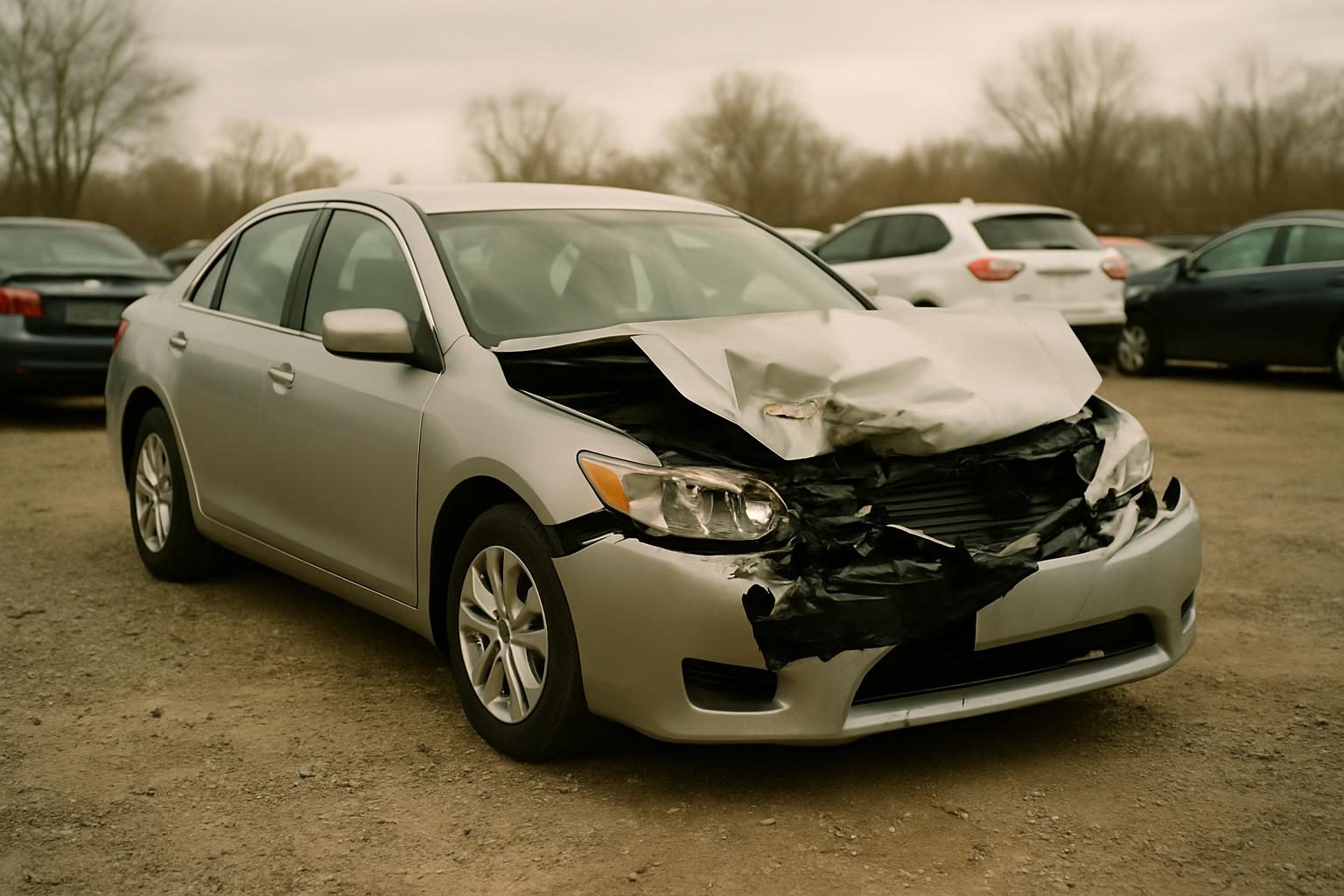
How a car is declared a total loss
An insurer declares a total loss when fixing the car costs too much compared with what it is worth. There are two main methods, and your state decides which applies:
- Percentage threshold: the car is totaled once repair costs reach a fixed percentage of its actual cash value (ACV).
- Total loss formula (TLF): the car is totaled when repair cost plus salvage value is equal to or more than the ACV.
Insurers can also total a car below the threshold if their policy allows, and some count costs like rental days in the calculation, as the Texas Office of Public Insurance Counsel notes.
Total loss thresholds vary by state
Examples of published state thresholds:
- Oklahoma: 60%
- Nevada: 65%
- Iowa, Arkansas, Indiana, Minnesota, Wisconsin: 70% (Iowa raised its threshold from 50% to 70% in 2021)
- New York, Michigan, North Carolina, Virginia and many others: 75%
- Florida, Missouri, Oregon: 80%
- Texas and Colorado: 100%
- California, Illinois, Georgia, Pennsylvania, Washington and others: total loss formula
Laws change, so confirm your state's rule with your state insurance department.
Ask about your situation
Type your question the way you'd say it. Free, no sign-up, and we never ask for your name.
Find help near youHow insurers calculate what your totaled car is worth
You are paid the car's actual cash value: what a similar car would cost just before the crash, minus depreciation for age and wear. A 10-year-old car is valued as a 10-year-old used car, not a new one. Insurers typically look at:
- Year, make, model, trim and options
- Mileage and pre-crash condition
- Recent sale prices of comparable cars in your area
If it is your own collision claim, your deductible is subtracted. If the other driver's insurer pays, you don't pay a deductible. Many states also require the payment to include sales tax and fees; ask your adjuster.
How to push back on a low total loss offer
- Ask for the valuation report and check every detail: trim, options, mileage, condition.
- Find your own comparables: written quotes or listings for similar cars from local dealers.
- Send receipts for recent upgrades and major maintenance, such as new tires or a new transmission.
- Ask for a supervisor and put your counteroffer in writing.
- Use the appraisal clause in your policy if you still disagree. Each side hires an appraiser and an umpire settles differences.
- File a complaint with your state insurance department if you believe the claim is being handled unfairly.
Example: how the total loss math works
Say your car's actual cash value is $10,000 and the repair estimate is $7,800.
- In a 75% threshold state such as New York, $7,800 is 78% of value, so the car is a total loss.
- In a 100% threshold state such as Texas, $7,800 is below value, so the car would normally be repaired.
- In a total loss formula state, if salvage is worth $2,500, then $7,800 plus $2,500 is $10,300, which is more than $10,000, so it is a total loss.
These numbers are only an illustration. Real decisions depend on your state's rule and your insurer's valuation.
Loans, keeping the car, and what happens next
- If you owe money: the insurer pays your lender first. If you owe more than the car is worth, gap coverage, if you bought it, pays the difference.
- If you want to keep the car: many states allow owner-retained salvage. The insurer subtracts the salvage value. The car will usually get a salvage title, which makes it worth less and harder to insure.
- Rental: rental payments often end a few days after the total loss offer.
Need a replacement while you sort it out? accidents.si can show rental cars and body shops near your ZIP code.
Common questions
Can I refuse to let the insurance company total my car?
You can disagree and ask for a second look, but many policies give the insurer the right to decide. You may be able to keep the car through owner-retained salvage.
Does a totaled car payout include sales tax?
In many states the settlement must include sales tax and certain fees on a comparable car. Ask your adjuster and check with your state insurance department.
What is the Texas total loss threshold?
Texas uses 100%: a car is a total loss when repair costs equal or exceed its actual cash value.