Do I need a police report for a minor car accident?
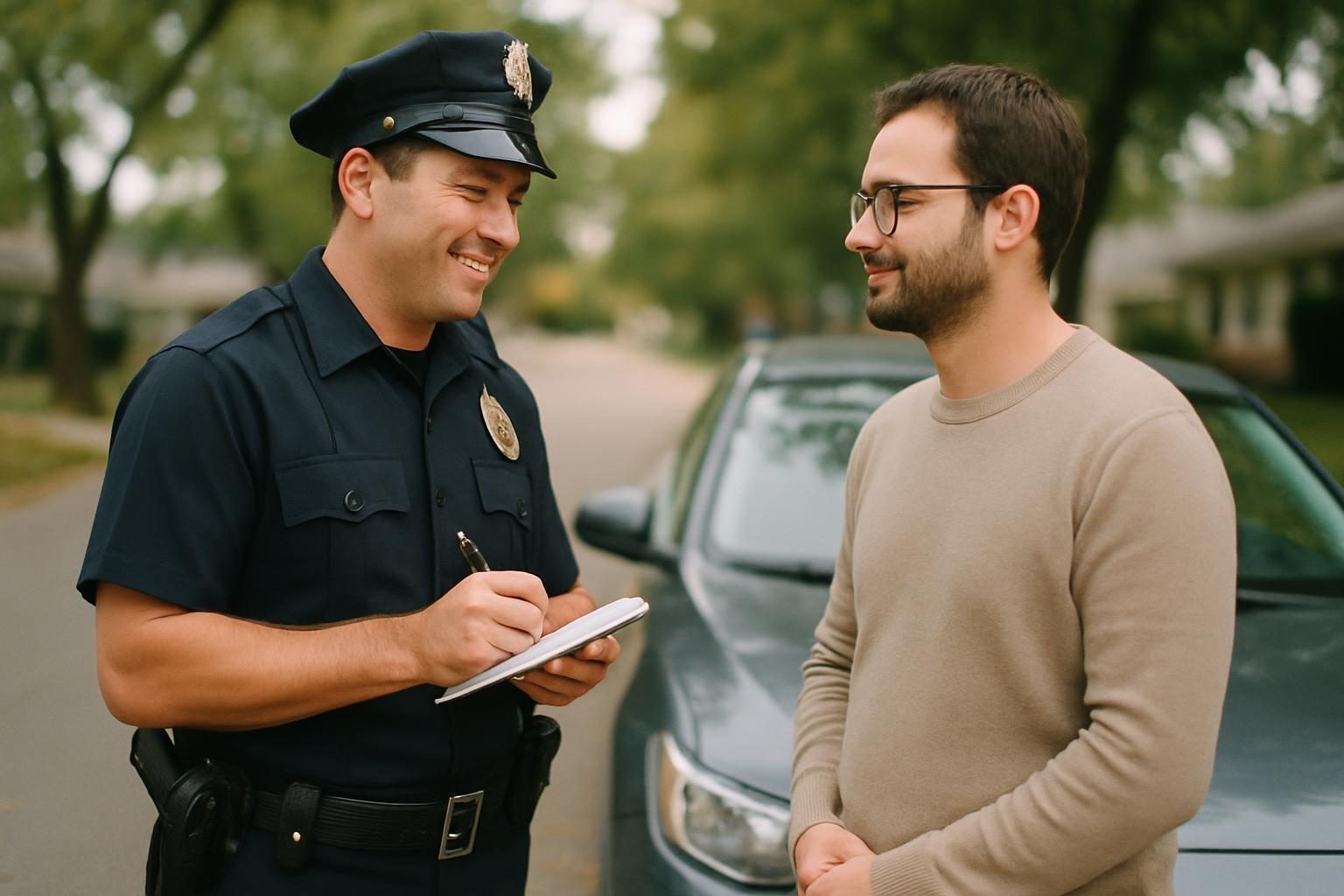
When a police report is required after a minor accident
State reporting rules usually turn on three things:
- Injury or death: any injury, even a minor one, usually triggers a reporting duty.
- Property damage above a threshold: each state sets its own dollar amount.
- Special situations: a hit-and-run, a suspected impaired driver, or an uninsured driver.
Today's repair costs mean even a "minor" bumper and sensor repair can pass $1,000.
Reporting thresholds vary by state: examples
- California: you must file an SR-1 report with the DMV within 10 days if anyone was injured (no matter how minor) or killed, or property damage is over $1,000. This is required even if police also wrote a report.
- Texas: police must send a crash report to TxDOT when an investigation involves injury, death, or apparent property damage to any one person of $1,000 or more. Drivers in crashes police did not investigate may fill out a CR-2, but TxDOT no longer keeps those forms, so keep your copy.
- Florida: officers must complete a long-form report when a crash involves death, injury or complaint of pain, a hit-and-run or impaired driver, a vehicle that must be towed, or a commercial vehicle.
Check your state's motor vehicle agency or state police website for its exact rule and deadline.
Ask about your situation
Type your question the way you'd say it. Free, no sign-up, and we never ask for your name.
Find help near youWhy a police report helps even when it isn't required
- It records both drivers' identities and insurance information.
- It captures statements while memories are fresh, which matters if the other driver later changes their story.
- Insurers ask for it. The Texas Department of Insurance tells drivers to send their insurer a copy of the report.
- For a hit-and-run, uninsured motorist coverage may not pay at all without one.
What to do if police won't come to a minor accident
In some cities, police don't respond to crashes with no injuries, or to crashes on private property such as parking lots. If that happens:
- Ask the dispatcher how to file a report later, often online or at a station.
- Exchange full information and photograph the other driver's license, insurance card and plate.
- Take your own photos and get witness contacts.
- File any state-required driver report by the deadline.
- Report the crash to your insurer promptly.
What to do if you're not sure the damage passes the threshold
Repair costs are hard to guess at the scene. A cracked bumper cover can hide broken brackets, parking sensors or a damaged radar unit for driver-assist features. If you aren't sure the damage is under your state's limit:
- Treat it as reportable and file the report.
- Get a repair estimate within a few days.
- Keep a copy of whatever report you file.
Filing a report you didn't strictly need costs little. Missing a required one can cause problems later.
Can I skip the report and just settle privately?
Some drivers agree to pay each other directly to avoid insurance. It can work for truly tiny damage, but it is risky: the other driver may not pay, hidden damage may appear later, and injuries can surface days later. If your state requires a report, skipping it can carry penalties, including license consequences in some states. Your policy may also require you to notify your insurer of any accident.
If you need a repair estimate first, accidents.si can show body shops near your ZIP code.
Common questions
How long do I have to report a car accident?
It varies by state. California, for example, requires the SR-1 within 10 days. Insurers also expect prompt notice, so report it to yours right away.
Does a police report decide who was at fault?
Not officially. Insurers and courts make fault decisions, but they give weight to the report's facts, diagrams and any citations.
Is a police report required for a parking lot accident?
Rules for private property vary. Police may not respond, but state reporting duties for injury or damage over the threshold can still apply.