What should I do after a hit and run?
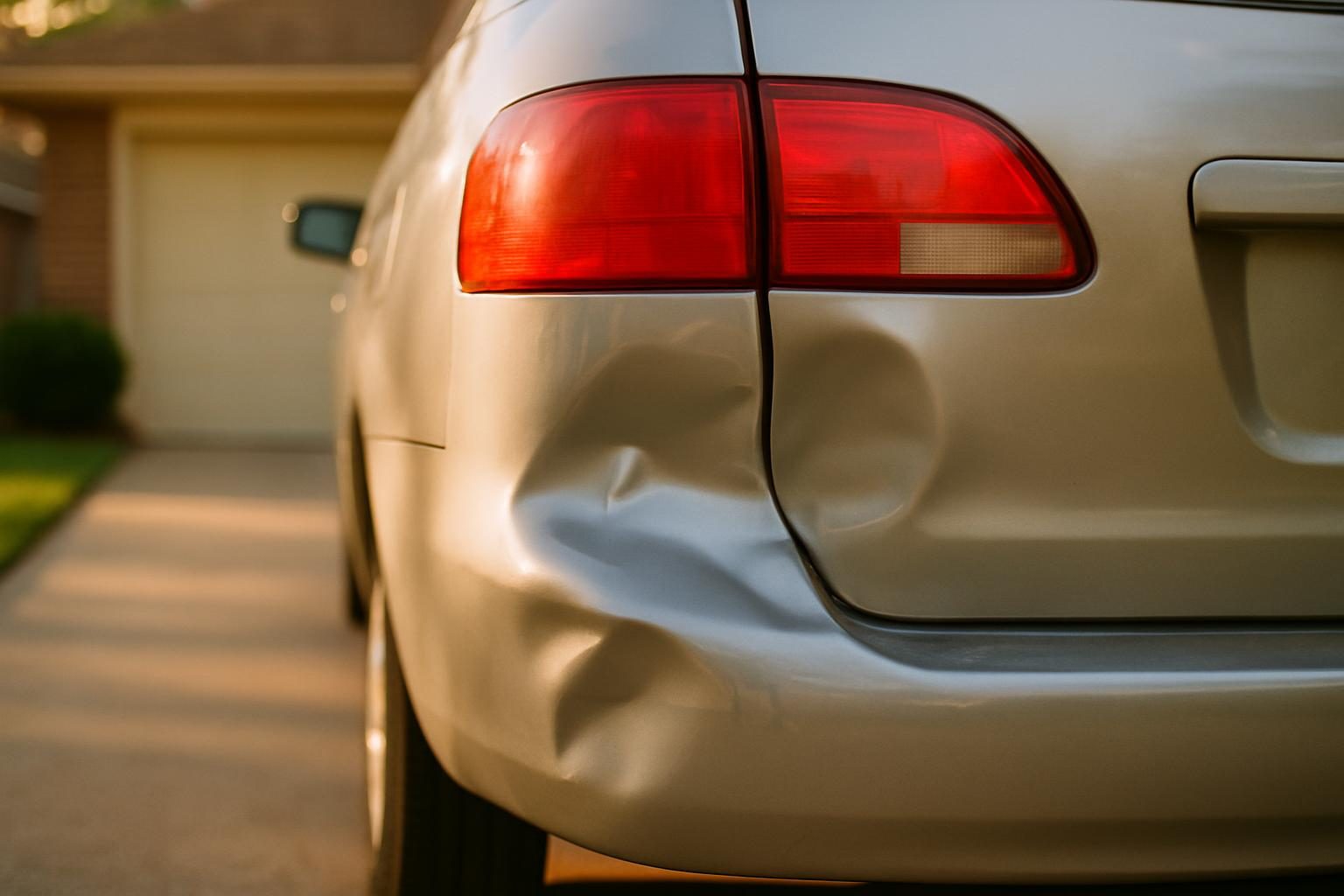
What to do right after a hit and run
- Check for injuries and call 911 if anyone is hurt.
- Don't chase the other driver. It puts you at risk and can cause another crash.
- Write down everything while it's fresh: full or partial plate, make, model, color, damage to their car, direction they went, and a description of the driver.
- Photograph your damage, the scene, any paint transfer and debris.
- Find witnesses and ask nearby businesses or homes whether cameras caught the crash. Footage is often deleted within days.
- Call the police and file a report, even if the damage seems minor.
Why the police report matters so much
The Texas Department of Insurance warns that uninsured motorist coverage won't pay for a hit-and-run if you didn't report it to police. Many policies elsewhere have similar rules, and some set a specific time limit. The Maryland Insurance Administration says most insurers require you to report to police as soon as possible. Get the report number and the officer's name.
Ask about your situation
Type your question the way you'd say it. Free, no sign-up, and we never ask for your name.
Find help near youWho pays after a hit and run
- If the driver is found: their liability insurance pays, as in any at-fault claim.
- If the driver is never found: your own coverage pays.
- Uninsured motorist bodily injury covers your injuries.
- Uninsured motorist property damage, where available, may cover your car.
- Collision covers your car, minus your deductible.
- PIP or MedPay covers medical bills regardless of fault.
- If your parked car was hit: collision coverage, or uninsured motorist property damage where your state and policy allow it, usually applies.
Filing the insurance claim
- Call your insurer promptly and say it was a hit-and-run.
- Give them the police report number, photos and witness details.
- Ask which coverage applies and what your deductible is.
- If you're hurt, keep every medical bill and note missed work.
If your car isn't drivable, accidents.si can show towing, body shops and rental cars near your ZIP code.
How police and you can find the driver
A partial plate plus a make, model and color is often enough for police to search. You can help by:
- Asking nearby businesses, homes with doorbell cameras, and gas stations to save their video
- Checking whether a nearby bus or rideshare driver saw anything
- Posting a request for witnesses in a local community group, without accusing anyone by name
- Telling police about paint color left on your car or parts left at the scene
Give anything you find to the police and your insurer, rather than confronting the driver yourself.
Will a hit and run raise my insurance?
A hit-and-run where you weren't at fault is often treated differently from an at-fault crash, but it depends on your insurer and state rules. Some states restrict surcharges for not-at-fault accidents. Ask your insurer how the claim will be classified before and after you file.
Common questions
Is hitting a parked car and leaving a hit and run?
Yes, in general. Drivers who hit an unattended car must stop and either find the owner or leave a note with their information, and many states also require a police report.
How long do I have to report a hit and run?
Report it right away. Some policies set specific deadlines, and waiting can make it harder to find the driver or collect under uninsured motorist coverage.
What if police find the hit-and-run driver later?
You can then claim against their insurance. If your insurer already paid you, it may recover from the other driver and refund your deductible.
Will my insurance cover a hit and run without uninsured motorist coverage?
Collision coverage can still pay to repair your car, minus your deductible. PIP, MedPay or health insurance can help with medical bills, but there may be no coverage for pain and suffering.
Do I pay a deductible for a hit-and-run claim?
Often yes, for collision or uninsured motorist property damage claims. The deductible amount depends on your policy and state.