What should I do right after a car accident?
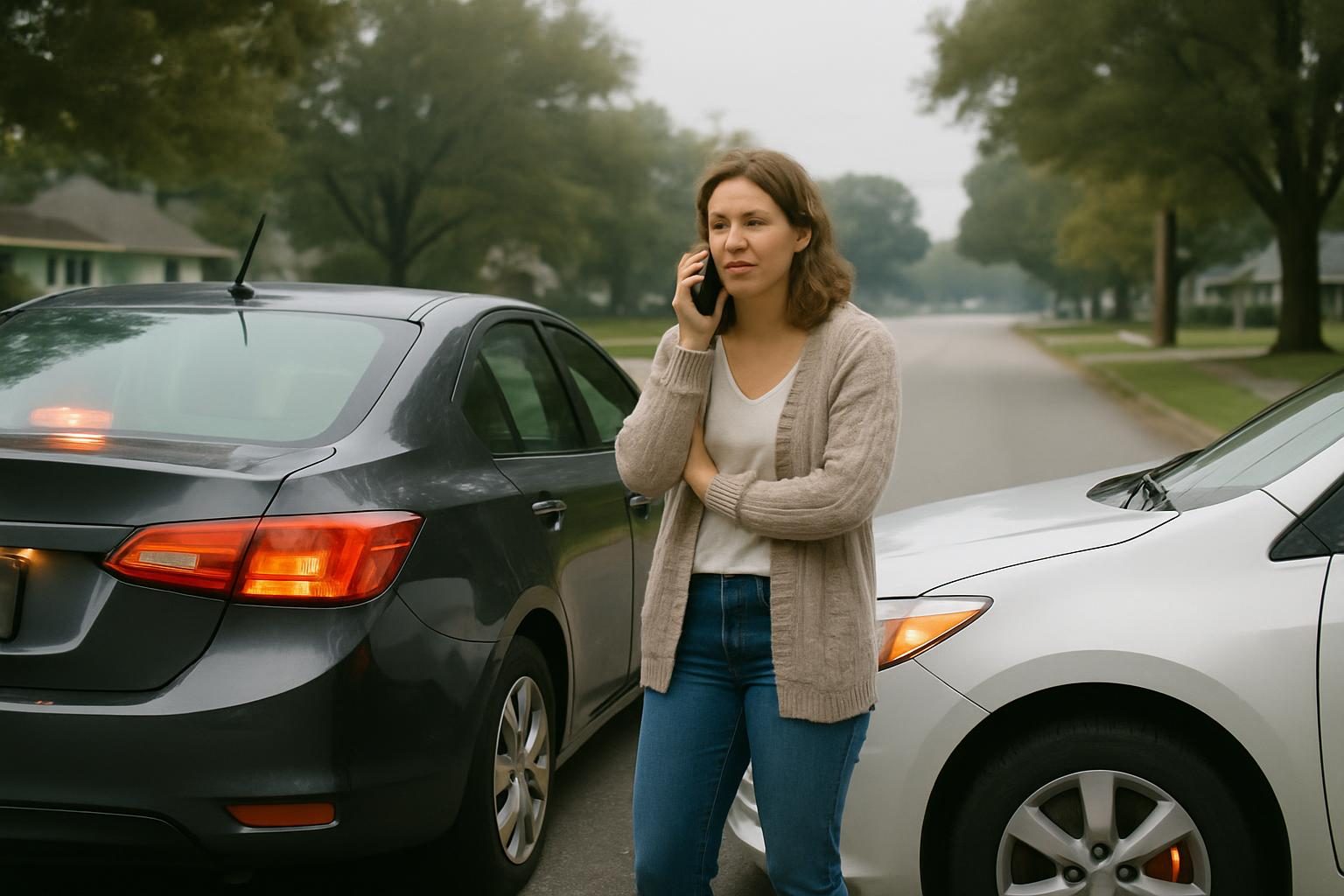
Step-by-step: what to do at the scene of a car accident
- Stop. Every state requires drivers involved in a crash to stop. Leaving can be a crime, even if the damage is small.
- Check for injuries and call 911 if anyone is hurt. If someone may have a neck or back injury, do not move them unless there is fire or another immediate danger.
- Get safe. If the cars can be driven and no one is hurt, move them out of traffic. Turn on hazard lights. Stand away from the road.
- Call the police if anyone is injured, a driver seems impaired, a driver leaves, the other driver refuses to share insurance details, or the damage looks significant.
- Exchange information with every driver involved (see the list below).
- Document the scene with photos and notes before the cars are moved, if it is safe.
- Talk to witnesses and get their names and phone numbers.
- Get the officer's name and badge number and the report number, if police come.
What information to get from the other driver
Insurance regulators such as the NAIC and the Texas Department of Insurance recommend getting:
- Full name, address and phone number
- Insurance company name, policy number and the company's claim phone number (a photo of their insurance card is easiest)
- License plate number, plus the make, model and color of the car
- Driver's license number, and the owner's name if the driver does not own the car
Give the other driver the same information about you. If a driver refuses to tell you their insurance company, call the police.
Ask about your situation
Type your question the way you'd say it. Free, no sign-up, and we never ask for your name.
Find help near youPhotos and notes that help your claim later
Photos taken in the first few minutes are often the best evidence of what happened. Take pictures of:
- All cars from several angles, including close-ups of damage and the license plates
- Where the cars ended up, skid marks, debris, traffic signs and signals
- Weather, lighting and road conditions
- Any visible injuries
Write down the time, date and exact location. Independent witnesses matter: if there are none and the other driver later denies fault, their insurer may deny your claim.
What not to say or do after a crash
- Do not argue about fault or apologize in a way that sounds like an admission. Stick to facts. Fault is decided later by insurers, using evidence and your state's rules.
- Do not refuse medical care just because you feel fine. Some injuries, such as whiplash, can take hours or days to show up.
- Do not agree to a cash deal on the spot without understanding the full damage. Hidden damage to bumpers, sensors and frames is common.
- Do not post about the crash on social media.
After you leave the scene: the first 24 to 72 hours
- Call your own insurer the same day if you can. Most policies require prompt notice, and many have claim deadlines. The claim number is usually on your insurance card or app.
- See a doctor if you have any pain, dizziness or headache. Some states have short medical deadlines. In Florida, for example, you must get initial treatment within 14 days to use your PIP benefits.
- Check your state's reporting rules. Some states require a separate report to the motor vehicle agency. In California, you must file an SR-1 with the DMV within 10 days if anyone was hurt or property damage is over $1,000.
- Keep a folder of photos, the report number, receipts, medical bills, tow and rental costs, and notes from every call.
If your car cannot be driven, accidents.si can show towing companies, body shops, rental cars and urgent care near your ZIP code.
Common questions
Do I have to call the police after a car accident?
Call 911 if anyone is hurt, a driver leaves, or someone seems impaired. For minor crashes, whether a report is required depends on your state's damage threshold, which is often around $1,000.
Should I call my insurance company if the accident was not my fault?
Yes, in most cases. Your policy likely requires prompt notice, and your insurer can help if the other driver's company is slow, denies the claim, or the driver turns out to be uninsured.
How soon should I see a doctor after a car accident?
As soon as you notice any symptoms, and ideally within a day or two. Some states, such as Florida, limit no-fault benefits if you are not seen within 14 days.
Can I leave the scene if there is no damage?
Only after you stop, check for injuries and exchange information. Leaving without exchanging information can be treated as a hit-and-run under state law.